
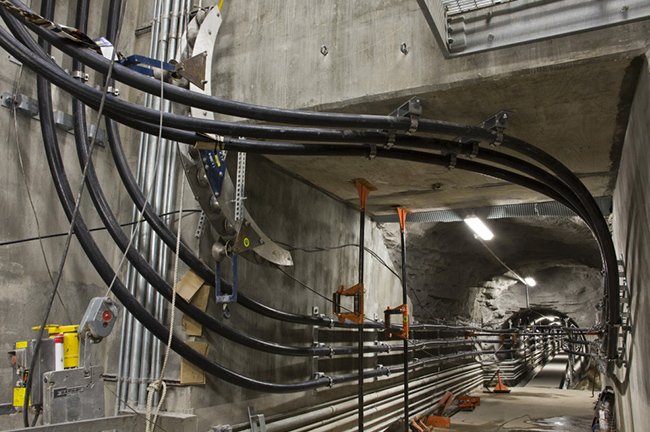
Underground power cable networks are essential to modern cities, industrial facilities, and renewable energy plants. While they offer protection from environmental exposure, faults in underground cables are often difficult, time-consuming, and expensive to locate.
Without advanced diagnostics, minor defects can escalate into catastrophic failures.
The Hidden Risk of Underground Cable Failures
Unlike overhead lines, underground cables fail silently. Common issues include:
Insulation degradation
Moisture ingress
Poor joints and terminations
Mechanical damage during installation or excavation
These faults often develop over time and remain undetected until a complete breakdown occurs.
Why Traditional Fault-Finding Methods Are No Longer Enough
Conventional troubleshooting approaches can involve:
Trial-and-error excavation
Network shutdowns
Long outage durations
These methods increase:
Repair costs
Service interruptions
Safety risks
Modern power networks require precision fault location, not guesswork.
The Role of Advanced Cable Fault Location Technology
Modern cable fault locators combine multiple diagnostic techniques:
Time Domain Reflectometry (TDR) to measure distance-to-fault
Surge / Thump methods to energize fault points
Acoustic and electromagnetic pinpointing for exact location
This multi-layered approach enables engineers to locate faults accurately and quickly, minimizing excavation and downtime.
Benefits of Early Fault Detection
Early detection and precise fault location deliver measurable advantages:
Faster restoration of service
Reduced excavation and labor costs
Improved safety for field crews
Extended cable asset life
Enhanced network reliability
Conclusion
Underground cable networks demand modern diagnostic solutions to remain reliable.
By investing in advanced fault location technology, utilities and operators can move from reactive repairs to predictive maintenance strategies — saving time, money, and critical infrastructure.
Interested in advanced underground cable diagnostics?
Talk to an Oryona engineer to discuss your network requirements.

I look forward to seeing how these developments will improve service levels and customer satisfaction in the freight industry!