
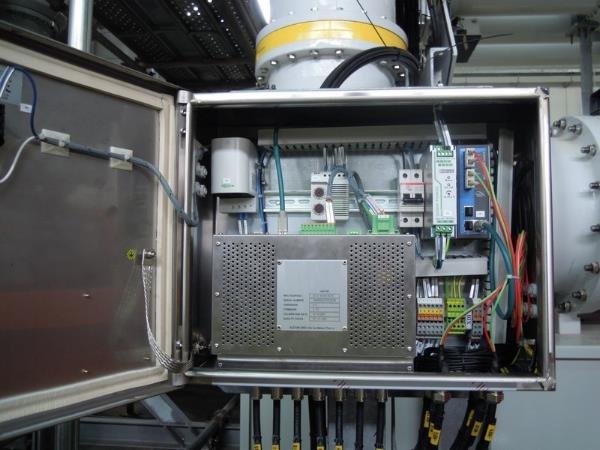
Partial discharge (PD) is one of the most critical indicators of insulation failure in high-voltage systems.
Left undetected, PD can lead to unexpected outages, equipment damage, and safety hazards.
Understanding and monitoring PD activity is essential for modern power systems.
What Is Partial Discharge?
Partial discharge is a localized electrical discharge that occurs within insulation or at interfaces under high voltage stress.
Although small, repeated PD events gradually degrade insulation, leading to eventual breakdown.
Common PD sources include:
Voids in insulation
Surface contamination
Poor cable joints
Aging switchgear components
Why PD Is a Silent Threat
PD activity often:
Occurs without visible symptoms
Does not immediately trigger protection systems
Accelerates over time
By the time a failure occurs, damage is often extensive and costly.
Modern PD Detection Techniques
Advanced PD detectors use multiple sensing technologies:
UHF (Ultra High Frequency) detection
TEV (Transient Earth Voltage) measurements
Ultrasonic sensors for surface discharge
These methods allow online, non-intrusive diagnostics, enabling testing without shutting down the system.
Benefits of PD Monitoring
Implementing PD monitoring provides:
Early detection of insulation defects
Improved maintenance planning
Reduced unplanned outages
Increased equipment lifespan
Enhanced personnel safety
Conclusion
Partial discharge monitoring is no longer optional for high-voltage systems.
It is a predictive maintenance tool that protects assets, improves reliability, and supports long-term network stability.
Need reliable PD diagnostics?
Contact Oryona to explore advanced partial discharge detection solutions.

I look forward to seeing how these developments will improve service levels and customer satisfaction in the freight industry!